Is Silent Hill: Townfall Exclusive? A Platform Guide & Review
Is Silent Hill: Townfall exclusive? Discover everything about its platform availability, gameplay mechanics, and expert reviews in our comprehensive guide.
Published:
Table of Contents
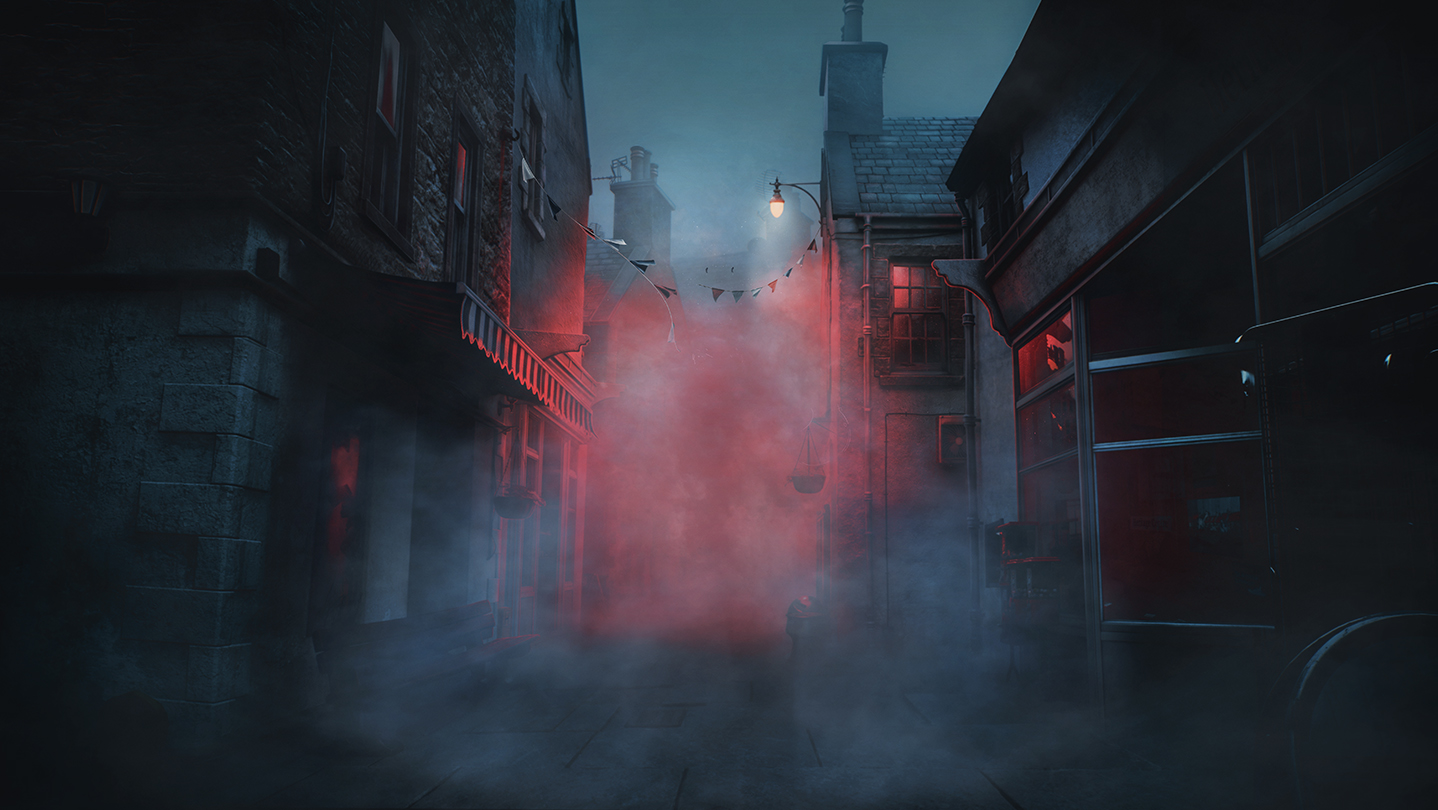
The horror landscape has been forever altered by the release of the latest entry in the iconic franchise, leaving many gamers wondering: is Silent Hill: Townfall exclusive to a single platform? As the series continues its ambitious renaissance, understanding where and how you can dive into the fog-drenched mystery of St. Amelia is essential for any survival horror enthusiast.
Many fans have been asking if this title remains locked to one console or if it follows the broader, multi-platform release strategy seen in recent years. In this guide, we break down everything you need to know about its availability and what makes this specific experience stand out from the rest of the modern Silent Hill catalog.
Platform Availability: Where to Play Silent Hill: Townfall
If you are hunting for the latest haunting, you will be pleased to know that the game is not a platform exclusive. Developed by the Scottish team at Screen Burn Interactive and published as a joint venture between Konami and Annapurna, the game is accessible across major modern gaming ecosystems.
Platform Breakdown
Platform
Availability
Notes
Steam (PC)
Yes
Optimized for high-end hardware and ray tracing.
PlayStation 5
Yes
Fully supports DualSense haptic and adaptive triggers.
Xbox Series X/S
Yes
Available for current-gen console players.
Nintendo Switch 2
Yes
Features portable survival horror capabilities.
According to official Silent Hill: Townfall store pages, the title is widely available, ensuring that whether you prefer the precision of a PC setup or the immersive haptic feedback of a console, you can experience Simon Ordell’s journey into St. Amelia.
Gameplay Mechanics: The "CRTV" Revolution
One of the defining features of this release is the focus on analog technology, specifically the pocket television known as the 'CRTV'. This is not just a stylistic choice; it is the core gameplay loop that differentiates this title from previous entries in the series.
Key Gameplay Elements
Signal Tuning: Players must manually tune frequencies to detect enemy movements and narrative clues.
First-Person Immersion: The claustrophobic camera angle forces players to rely on their surroundings and limited sightlines.
Resource Management: Combat is a last resort, as ammunition is scarce and enemies are highly persistent.
Mastering the CRTV
Use motion controls (on supported platforms) to rotate the device efficiently. Community reports suggest that scanning the environment in quick bursts is safer than keeping the screen open, as it prevents you from becoming a stationary target for nearby monsters.
Community Reception and Expert Critiques
The reception for the game has been diverse, reflecting the risks taken by the developers. With an 82 on Open Critic, many reviewers highlight the game's ability to maintain a terrifying atmosphere without relying on generic jump scares.
Performance & Difficulty Comparison
Feature
Silent Hill: Townfall
Traditional Horror Games
Stealth Mechanics
High Focus
Moderate
Puzzle Style
Abstract/Technical
Logic-based
Combat
Avoidance-focused
Resource-heavy
Players often note that the game feels like a "survivalist's puzzle," where the difficulty comes from managing your limited inventory while navigating a town that feels truly lived-in. While some community members find certain late-game puzzles to be intentionally obtuse, many veterans praise this as a return to the series' challenging roots.
Why the First-Person Perspective Matters
Moving away from the traditional third-person perspective was a bold decision for Screen Burn Interactive. By putting players directly behind the eyes of Simon Ordell, the game creates a sense of vulnerability that third-person cameras often fail to convey.
When walking through the decaying apartments of St. Amelia, the 3D audio—when experienced through stereo headphones—adds a layer of tension that is crucial for survival. Every floorboard creak or fabric flutter serves as a warning. As noted by industry reviewers, this design choice makes the game feel less like a game and more like a visceral nightmare you are actively trying to escape.
Is It Too Long? A Pacing Analysis
One of the most debated topics among players is the game's length. Community reports indicate an average completion time of 15 to 17 hours, which some critics feel is slightly over-extended.
First 6 Hours: Generally regarded as the strongest part of the experience, where the CRTV mechanics feel fresh and the atmosphere is at its peak.
Late-Game: The introduction of new enemies and shifts in the environment keeps the pace moving, though some players feel the "stealth fatigue" sets in during the final third.
Despite the length, the game provides significant replay value through multiple endings. While the primary narrative is clear, those who seek to uncover every secret of St. Amelia will find that the game rewards curiosity with deeper lore insights.
FAQ: Frequently Asked Questions
Q: Is Silent Hill: Townfall exclusive to PlayStation?
A: No, the game is widely available on Steam, PlayStation 5, Xbox, and Nintendo Switch 2, making it accessible to a broad range of players.
Q: Does the game feature traditional boss fights?
A: This title breaks from series tradition by lacking standard boss encounters, focusing instead on tension, stealth, and environmental puzzle-solving.
Q: Can I use my PC peripherals for the CRTV controls?
A: Yes, PC players can utilize various control schemes to tune the CRTV, though some users find a controller offers a more intuitive experience for rotating the device.
Q: Is this game suitable for newcomers to the franchise?
A: Absolutely. While it honors the series' roots, its standalone narrative makes it a perfect entry point for those new to the psychological horror genre.