Understanding the Silent Hill: Townfall Timeline and Lore
Discover the enigmatic Silent Hill: Townfall timeline and uncover the mysteries behind Simon Ordell’s journey in the coastal town of St. Amelia.
Published:
Table of Contents
The misty, claustrophobic atmosphere of St. Amelia has left many fans questioning where exactly this haunting journey fits into the franchise’s broader narrative. Exploring the Silent Hill: Townfall timeline is essential for players hoping to grasp the weight of Simon Ordell’s choices as he navigates a nightmare defined by past guilt and surreal occurrences.
Why does this matter? Unlike previous entries that focused on the titular fog-drenched town, this spin-off shifts the scope to a Scottish-inspired coastal setting. By decoding the chronology and environmental storytelling, you can better prepare for the psychological challenges awaiting you in this immersive experience.
The Chronology of St. Amelia: A 1996 Setting
Based on internal evidence gathered from in-game documents, the primary Silent Hill: Townfall timeline is firmly rooted in 1996. While the series has always toyed with the fluidity of time and space, the specific dates found in digital correspondence suggest a grounded point of origin for Simon’s descent.
The following timeline highlights the critical milestones documented through the game's environmental clues and email logs found within the town's terminals.
Event
Date / Context
Significance
Simon's Birth
October 15, 1959
Establishes Simon as 37 years old in 1996.
Zoe's Email Logs
February 1996
Provides early context to the unfolding tragedy.
Main Narrative
Late 1996
The primary window for Simon's arrival at St. Amelia.
Urgent Notice
October 22, 1996
The final logged correspondence regarding surgery.
Understanding this timeline helps players contextualize the "tragic event" that residents of St. Amelia often reference. As you explore, pay close attention to dates on documents, as they serve as your primary guide through a narrative that refuses to hold the player's hand.
The Role of the CRTV: Mechanics and Narrative
The CRTV is far more than a simple survival tool; it acts as a window into the past. According to developers at Screen Burn, the device was designed to merge navigation with storytelling. When you tune into a frequency, you aren't just locating monsters—you are potentially viewing echoes of memories.
How to Utilize the CRTV Effectively
Spatial Awareness: Use the static visual cues to identify monster locations before turning corners.
Narrative Discovery: Certain frequencies trigger audio snippets from Zoe, providing critical backstory.
The "Screen Burn" Mechanic: If the visual glitches intensity, a threat is likely in your immediate proximity.
Community reports suggest that players who frequently experiment with frequency tuning often uncover hidden notes regarding the town's history. Unlike traditional HUD-heavy games, the CRTV enforces a tactile connection to the world, forcing you to look at the screen rather than a map overlay.
Environmental Storytelling and the Otherworld
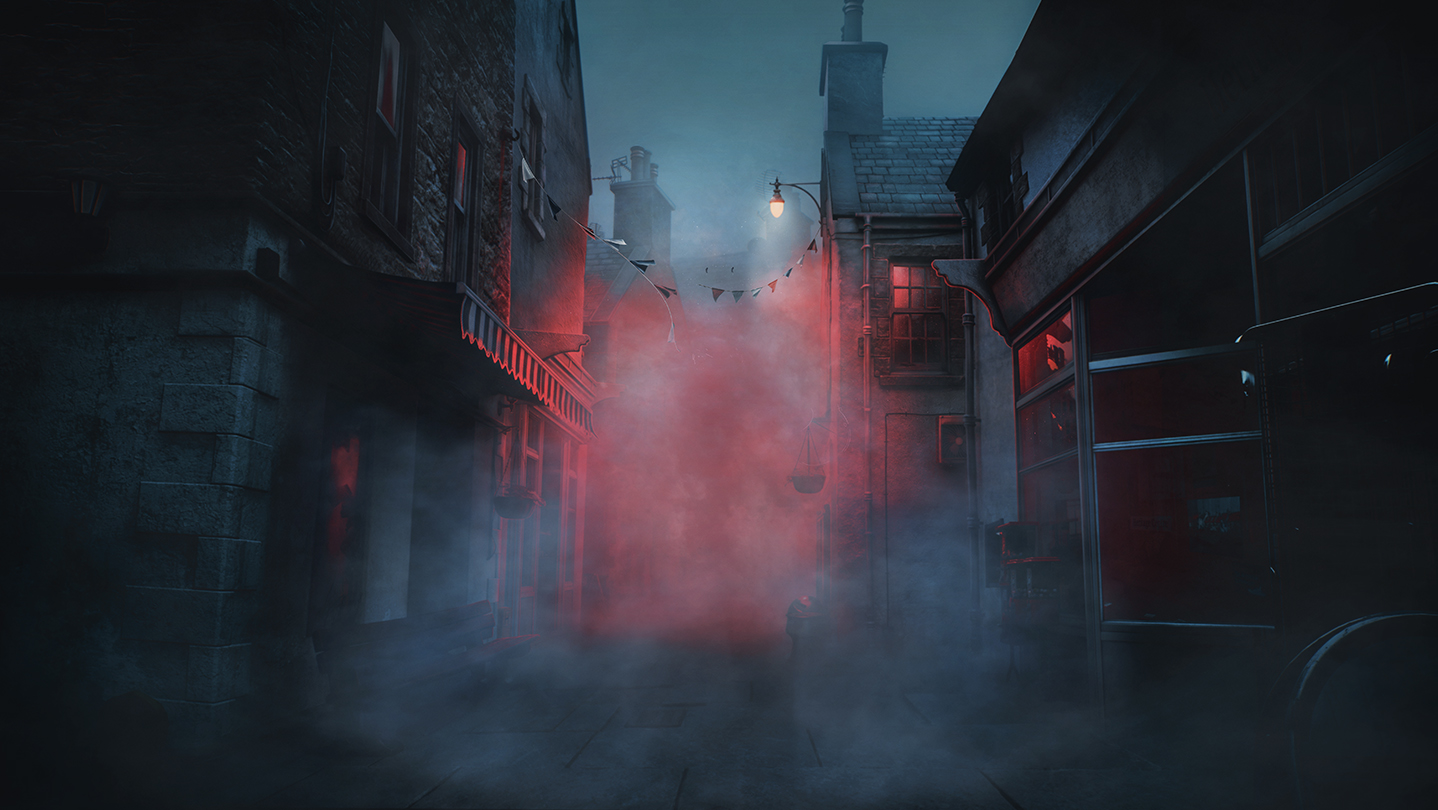
The transition into the Otherworld in St. Amelia is marked by a distinct shift in color palette, moving toward an oppressive red hue. This change is not merely aesthetic; it mirrors the deteriorating psyche of the protagonist. Whether you are traversing the docks or the local pharmacy, the environment itself tells a story of abandonment.
Feature
Description
Gameplay Impact
Red Hue
Represents the intense "Otherworld" reality.
Signals increased monster aggression.
Metal Pipes
Industrial structures encroaching on reality.
Frequently block paths, requiring detours.
Memorial Plaque
Dedicated to those lost in a past tragedy.
Root cause of Simon's unresolved guilt.
As noted by players, the layout of the town mimics real-world coastal architecture, which makes the intrusion of the supernatural feel significantly more jarring. Always keep an eye out for posters or pamphlets—these items often contain the "truth behind the static."
Mastering Stealth: Avoidance vs. Confrontation
A major departure from earlier series entries is the emphasis on stealth. While you have access to a Webley revolver and melee weapons like the wooden plank, these resources are intentionally scarce. In the Silent Hill: Townfall timeline, survival is measured by what you manage to avoid rather than what you destroy.
Use Distractions Wisely
When dealing with enemies in tight corridors, throw objects to draw their attention away from your path. This allows you to slip past without risking the durability of your melee weapons or wasting precious ammunition.
If you find yourself cornered, utilizing a locker or a locked room is often the safest bet. Community feedback highlights that monsters eventually lose interest if you maintain silence, reinforcing the game's focus on vulnerability.
The Mystery of Zoe Ellis and Simon Ordell
The relationship between Simon and the local nurse, Zoe Ellis, is the emotional core of the game. Throughout your journey, you will find memos and prescription bags signed with her initial, suggesting she was deeply involved in the medical care of the town's residents.
Why does Simon feel a compulsive need to "fix" the past? It stems from a profound sense of shared culpability. As you piece together the narrative, consider these common player observations regarding their connection:
Shared Trauma: Both characters seem linked to the same tragic event, potentially occurring years before the game begins.
Medical Thematics: The constant presence of IV bags and hospital wristbands suggests that Simon's "reality" might be influenced by a medical crisis.
The "Loop" Theory: Simon's opening line about waking up in the water again suggests that St. Amelia might be a cyclical nightmare for those caught in its influence.
FAQ: Frequently Asked Questions
Is the Silent Hill: Townfall timeline linear?
While the narrative leads you through specific beats, the game features multiple endings based on your actions and choices. The core timeline remains set in 1996, but your interpretation of the events can vary based on the narrative fragments you discover.
How does the CRTV help with combat?
The CRTV acts as an early-warning system. By tuning into the correct frequency, you can visualize enemy positions through walls, allowing you to choose between stealthy evasion or preparing a surprise attack with your melee weapon.
Why is the game set in Scotland?
The developers at Screen Burn wanted to utilize the specific "gray and drizzly" atmosphere of the Scottish coast to evoke a deep, palpable sense of isolation that feels distinct from the American settings of previous games.
Are there traditional Silent Hill puzzles?
Yes, the game incorporates environmental puzzles, such as key-code padlocks and complex door mechanisms, which are essential for unlocking new areas and progressing through the main story.