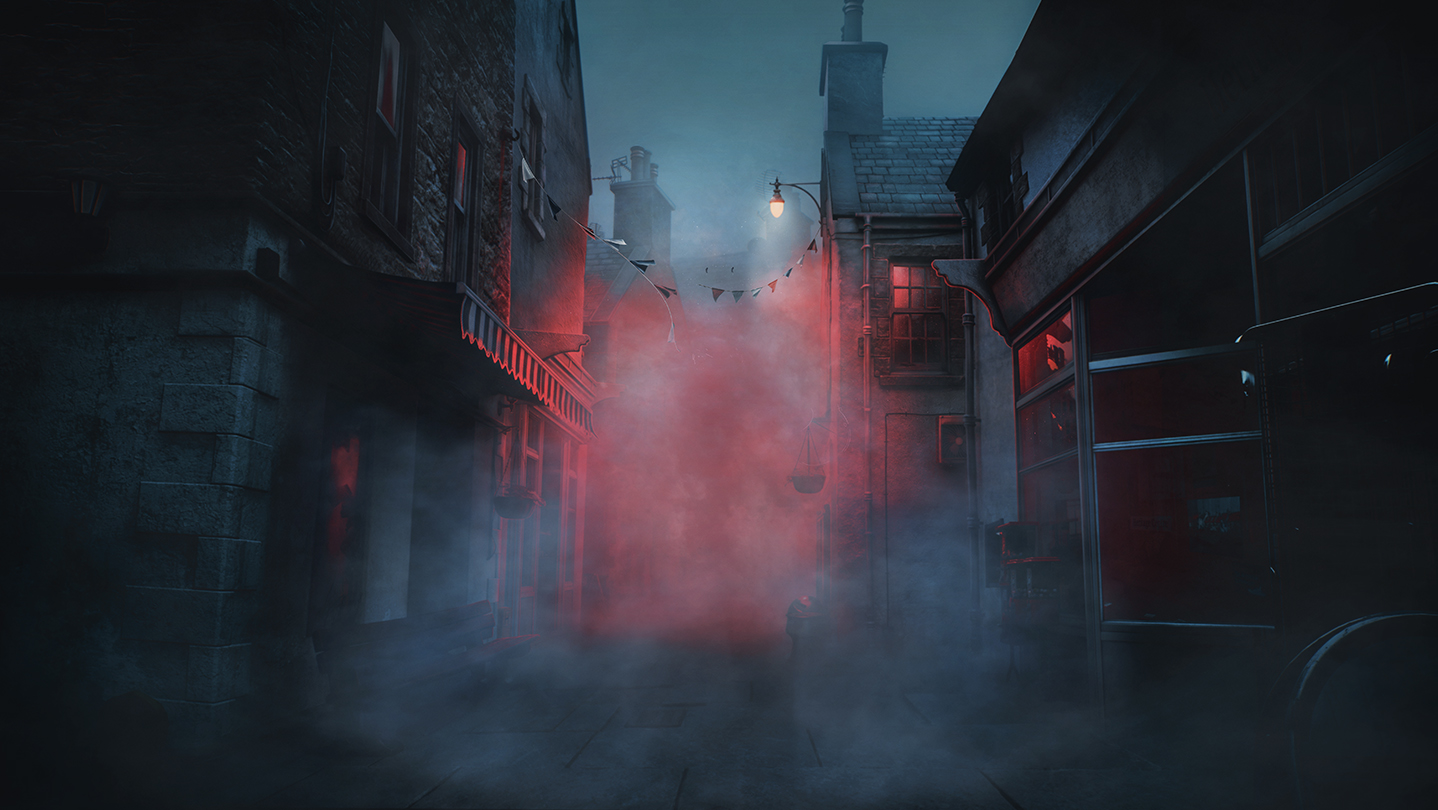
Silent Hill: Townfall Woke Controversy and Gameplay Review
Dive into the Silent Hill: Townfall woke controversy, gameplay analysis, and performance. Is this horror title worth your time? Discover the full review here.
Published:
Table of Contents
The Silent Hill franchise has long been a bastion of psychological horror, exploring the deepest fractures of the human psyche. With the release of Silent Hill: Townfall, developed by Screen Burn, the series enters a new era of first-person perspective, yet it has immediately found itself at the center of a heated internet debate regarding its cultural themes. Whether you are curious about the Silent Hill: Townfall woke discourse or simply want to know if the game succeeds as a horror experience, this deep dive provides the clarity you need.
Understanding the balance between narrative depth and gameplay execution is crucial for any fan of the series. While social media platforms are currently buzzing with conflicting opinions, we are here to strip away the noise and look at what actually matters: the experience of navigating the fog-ridden streets of St. Amelia.
The "Woke" Debate: Context and Community Perception
The term Silent Hill: Townfall woke has become a rallying cry in various online communities, often triggered by character representation and perceived thematic shifts. To understand this, we must look at how modern audiences interact with legacy franchises.
Community Sentiment vs. Analysis
According to community reports, the discourse is largely fueled by concerns that the game prioritizes ideological messaging over the classic, subtle psychological horror that defines the series.
Perspective
Common Arguments
Critics
Dialogue feels overly thematic, characters seem inserted for representation rather than story depth.
Supporters
The franchise has always been about trauma and societal reflection; diverse characters do not change the core horror.
Neutrals
Gameplay frustrations are a larger barrier to enjoyment than the narrative focus.
As noted by players, the debate often stems from a desire to preserve the "classic" feeling of the series. However, the developers maintain that their focus remains on the universal experience of fear, guilt, and the unknown.
Gameplay Mechanics: A Deep Dive into Survival
Moving past the discourse, Silent Hill: Townfall operates on a first-person survival-stealth loop. You control two primary characters, Simon and Zoe, as they navigate the desolate island city of St. Amelia.
Core Mechanics Comparison
The shift to first-person perspective fundamentally changes how you interact with the environment.
Feature
Description
Strategic Value
Stealth
Primary method of survival against faster foes.
High (Essential for resource conservation).
CRTV/Pager
Detects past echoes and current monster frequencies.
Essential (Critical for puzzle-solving).
Combat
Basic melee and scarce gunplay.
Low (Should be avoided when possible).
Resource Management
Always prioritize keeping your distance. Melee weapons break quickly, and ammo is extremely scarce. Use the CRTV system to map out enemy paths before entering high-risk zones.
Why Gameplay Frustrations Overshadow the Atmosphere
While the sound design and environmental art are masterful—capturing that iconic oppressive, fog-laden aesthetic—the gameplay often acts as a major roadblock. Many players have noted that the stealth mechanics feel dated.
The enemy AI, particularly the "Weight" type, creates unpredictable pathing that can turn a five-minute traversal task into an hour-long ordeal of waiting. If you are looking for the fluidity of modern action-horror, this may prove to be a point of friction.
Challenges in Progression
Repetitive Puzzles: Basic item-finding tasks are often artificially lengthened by patrol patterns.
Combat Feedback: Melee strikes feel floaty, and weapons lack the impact one might expect from a survival horror title.
Pacing: The game's 10-hour runtime can feel significantly longer due to slow movement and tedious enemy avoidance.
Mastering the Townfall Experience: Tips for Success
If you decide to dive into St. Amelia, you need a strategy to minimize frustration and maximize immersion. Here is a breakdown of how to handle the game's mechanics effectively.
Effective Survival Tactics
Distraction over Confrontation: Use bottles and bricks early and often. Don't waste resources on fights you don't need to win.
Frequency Monitoring: Constantly check your pager or portable TV. Knowing where an enemy is before they see you is the difference between life and death.
Environment Awareness: Use the fog to your advantage. If you can break line-of-sight, you can often lose even the most aggressive pursuers.
The Balancing Act of Horror
The game attempts to focus on personal trauma—a hallmark of the series—through the stories of Simon and Zoe. While the narrative is strong, the "message-first" dialogue reported by some critics can occasionally pull you out of the experience.
Should You Play It?
Ultimately, Silent Hill: Townfall is a mixed bag. It succeeds in visual storytelling and soundscape, providing a haunting atmosphere that feels true to the series' roots. However, if your primary goal is tight, engaging gameplay, the repetitive nature of its stealth segments might leave you disappointed.
Is Silent Hill: Townfall considered a "woke" game by the majority?
The label "woke" is subjective and debated heavily within the community. While some players feel the narrative leans too heavily into contemporary themes, others argue it fits the franchise’s history of tackling complex societal issues.
Is the first-person perspective an improvement?
It adds to the intimacy of the horror, making encounters feel more claustrophobic, but it also highlights the limitations of the combat and stealth systems.
What is the most frustrating part of the game?
According to many player reviews, the enemy pathing—specifically when completing simple fetch quests—is the primary source of frustration.
Does the game have multiple endings?
Yes, the story features multiple satisfying endings based on your choices and how you interact with the world, adding some replay value despite the linear nature of the gameplay.