Silent Hill: Townfall vs Silent Hill f: Which Horror Game Wins?
Struggling to choose between Silent Hill: Townfall vs Silent Hill f? Discover the key differences in gameplay, atmosphere, and mechanics to pick your next horror.
Published:
Table of Contents
The Konami horror revival has been nothing short of a rollercoaster, bringing fans back to the fog-drenched streets we once thought were gone for good. If you are currently debating Silent Hill: Townfall vs Silent Hill f, you are not alone; these two distinct titles represent the bold, experimental future of the franchise.
Understanding the difference between Silent Hill: Townfall vs Silent Hill f is essential because they offer vastly different psychological experiences. While one leans into claustrophobic, analog-era stealth, the other explores the series' evolution through a completely different aesthetic lens. This guide breaks down what you need to know before stepping into the fog.
The Design Philosophies: Why They Differ
At its core, the comparison of Silent Hill: Townfall vs Silent Hill f comes down to how each developer interprets the "Silent Hill" identity. While both games aim to terrify, their methods reflect their unique creative visions.
Screen Burn Interactive’s Silent Hill: Townfall is a masterclass in first-person tension. Drawing heavy inspiration from the DNA of Alien: Isolation, it focuses on vulnerability. You aren't a soldier; you are an ordinary person caught in a nightmare. In contrast, Silent Hill f pivots toward a more abstract, high-concept approach to horror that diverges from the standard "foggy town" trope.
Comparative Design Overview
Feature
Silent Hill: Townfall
Silent Hill f
Perspective
First-Person
Third-Person / Cinematic
Core Gameplay
Stealth & Resource Management
Narrative & Psychological
Setting
St. Amelia (1996)
Unspecified / Evolving
Pacing
Slow, methodical, tense
Dramatic, atmospheric, varied
Gameplay Mechanics: Stealth vs. Survival
When playing Silent Hill: Townfall, you quickly realize that your greatest enemy is your own lack of power. The inclusion of the CRTV—a portable device that acts as a signal-tuner—is a brilliant, tactile mechanic that adds a layer of depth to navigation and monster avoidance.
According to player experience and community reports, the stealth mechanics in Townfall are unforgiving. You are encouraged to hide in closets, peek around corners, and use the environment to survive. It isn't about clearing a room of enemies; it’s about avoiding them entirely.
Mastering the CRTV
Always tune your CRTV frequency to locate environmental threats before entering a new area. It acts as your primary survival tool, far more reliable than standard combat.
Atmosphere and Environmental Storytelling
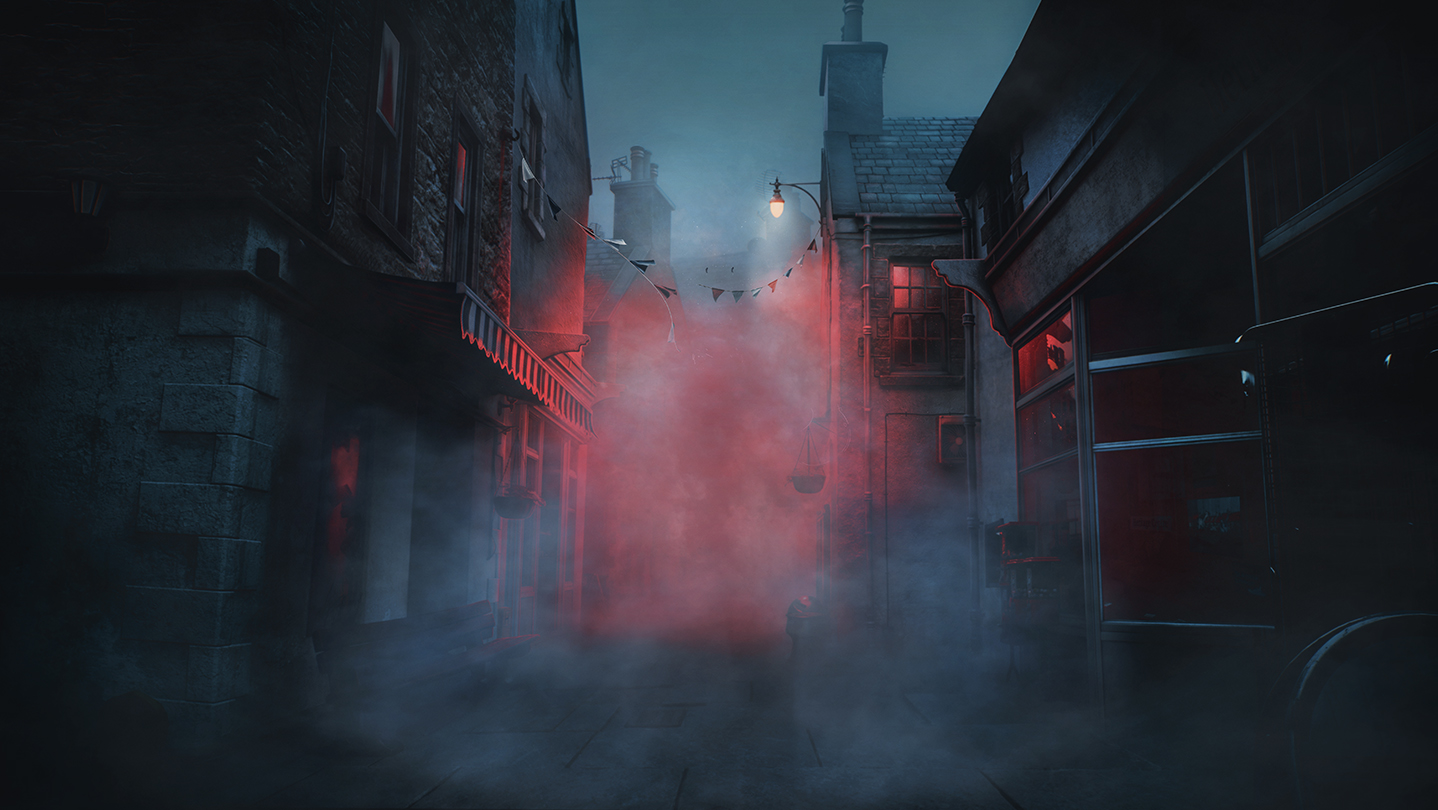
The atmosphere of Silent Hill: Townfall is grounded in a hauntingly detailed 1990s Scottish setting. The use of analog technology—floppy disks, old printers, and rotary-style dialing for saving games—grounds the horror in a reality that feels tangible and decaying.
Conversely, Silent Hill f is often described by the community as having a more "dream-like" or "artistic" aesthetic. While Townfall traps you in the claustrophobia of a small village, Silent Hill f tends to lean into the surreal, making the environments feel like a projection of the protagonist’s psyche rather than a physical location.
Why Atmosphere Matters
Immersion:Townfall uses first-person to force you to look at the grime and detail of St. Amelia.
Symbolism:Silent Hill f uses abstract lighting and visual shifts to disorient the player.
Technological Horror:Townfall’s reliance on 90s tech creates a "trapped in time" feeling that is highly effective.
Combat Systems: A Last Resort
In Silent Hill: Townfall, combat is purposefully clunky. Simon, the protagonist, is not a trained fighter. If you decide to swing a pipe, you are risking your life. This creates a high-stakes scenario where every encounter feels like a mistake. Community members often point out that the game’s difficulty spikes during these moments, specifically when you are forced into enclosed areas.
Combat Style
Efficiency
Risk Factor
Stealth (Recommended)
High
Low
Melee Combat
Low
Very High
Distraction/Tech
Medium
Low
If you prefer games where you can stand your ground and defend yourself, you might find the "survival" focus of Townfall challenging. However, if you enjoy the adrenaline rush of being the hunted, it delivers the best "sneak and peek" experience in the franchise.
Critical Reception and Industry Standing
Series producer Motoi Okamoto has high expectations for the Silent Hill: Townfall release, noting that while the buzz for Townfall felt more subdued compared to other entries, the hands-on impressions have been stellar. Many critics are looking at Townfall as a litmus test for whether the series can thrive in the hands of smaller, independent-minded studios like Screen Burn.
FAQ: Frequently Asked Questions
Is Silent Hill: Townfall a walking simulator?
While it emphasizes exploration and puzzles, calling it a walking simulator is inaccurate. The presence of dangerous, roaming enemies and a complex stealth system ensures it remains a survival horror title at its core.
Which game should I play first?
If you enjoy tactical stealth and analog horror, start with Silent Hill: Townfall. If you prefer narrative-heavy, abstract, and cinematic horror experiences, Silent Hill f might be your better entry point.
Does the 90s setting in Townfall affect gameplay?
Yes, it is crucial. The lack of modern conveniences like smartphones means you are forced to rely on the game's map, your own memory, and the portable CRTV for navigation, which heightens the sense of isolation.
Are there boss fights in Townfall?
Townfall deviates from the series tradition of epic boss battles. Instead, it focuses on intense, high-tension survival sequences where your wits are your most valuable weapon against the horrors of St. Amelia.