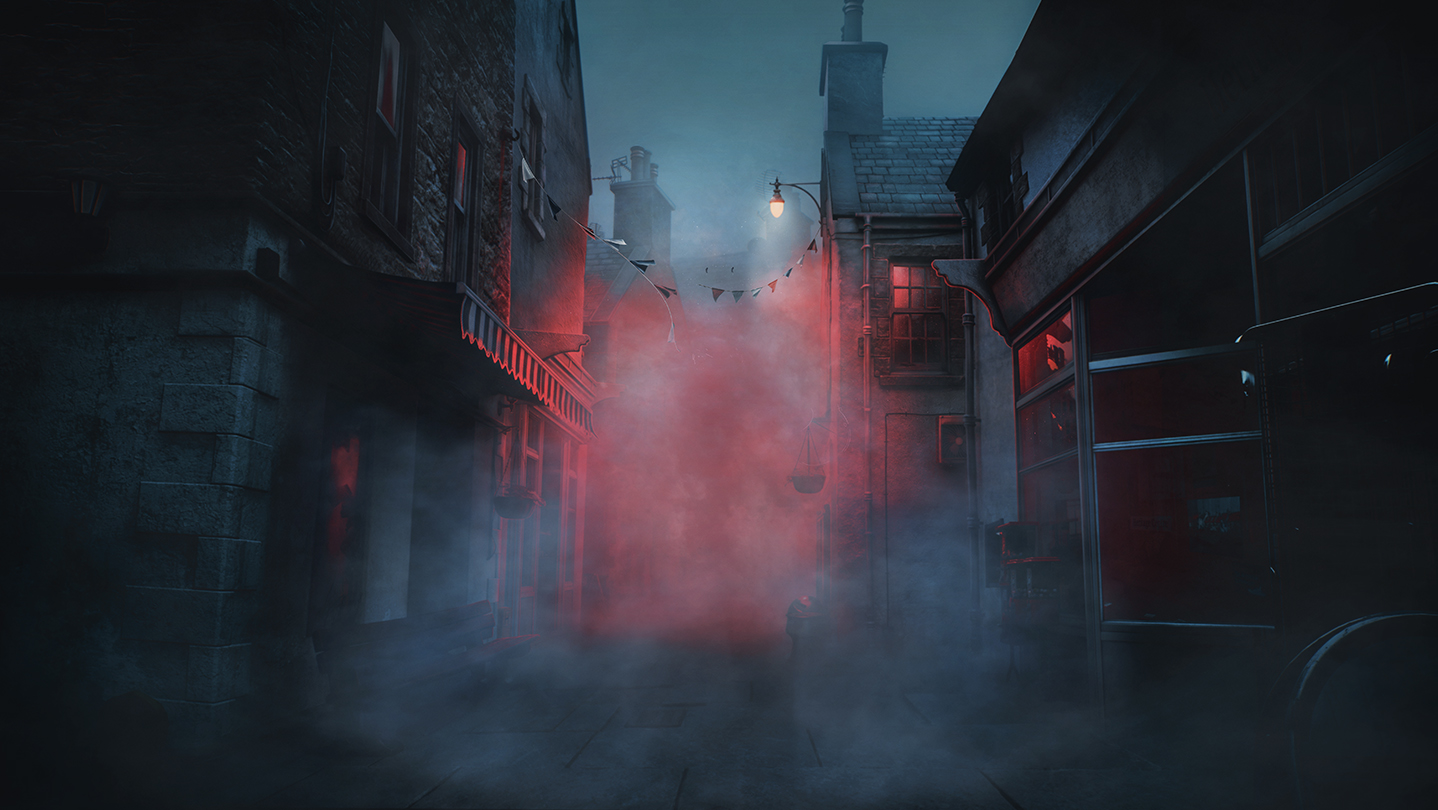
Silent Hill: Townfall Interview: Devs Talk Horror & St. Amelia
Discover exclusive insights from our Silent Hill: Townfall interview with Screen Burn. Learn about the St. Amelia setting, first-person gameplay, and more.
Published:
Table of Contents
The Silent Hill franchise has long been synonymous with psychological dread, fog-drenched streets, and internal trauma. With the upcoming release of Silent Hill: Townfall, developer Screen Burn is poised to redefine these conventions through a terrifying, intimate lens. In our latest Silent Hill: Townfall interview, we dive deep into the creative choices behind this ambitious project, exploring how the team is crafting a unique, haunting experience that feels both fresh and unmistakably connected to the series' roots.
Understanding the philosophy behind Townfall is essential for any fan eager to grasp how this title fits into the broader Silent Hill renaissance. By shifting to a first-person perspective and grounding the horror in a claustrophobic, authentic Scottish coastal town, the developers are challenging what players expect from the series. This piece breaks down the mechanics, narrative focus, and design choices that make Townfall one of the most anticipated horror titles of the year.
Crafting the Nightmare: From Scotland to St. Amelia
The setting of Silent Hill: Townfall is arguably its most striking departure from the series' history. Moving away from the iconic Japanese rural landscapes or American suburbs, director Jon McKellan explains that the decision to base the game in a Scottish coastal town was deeply personal. The development team at Screen Burn—based in Glasgow—drew directly from their own upbringing in the 1990s to create the fictional, fog-laden town of St. Amelia.
Why does this matter? Authenticity. By utilizing familiar environments and period-accurate technology, the developers aim to create an uncanny sense of "lived-in" reality. Players aren't just visiting a random horror location; they are navigating a space that feels like a tangible, decaying relic of the late 90s, where isolation is amplified by the absence of modern digital connectivity.
Feature
Description
Why it matters
Setting
St. Amelia, Scotland
Provides a fresh, grounded atmosphere.
Time Period
Mid-1990s
Limits reliance on modern technology.
Theme
Internal Trauma
Aligns with the core Silent Hill identity.
Viewpoint
First-Person
Increases intimacy and claustrophobia.
The Mechanics of Fear: The CRTV Device
During our Silent Hill: Townfall interview, a recurring topic was the introduction of the CRTV (a modified handheld television). In previous entries, the radio was the primary tool for detecting enemies; here, the CRTV serves as an advanced, multi-purpose survival device.
The CRTV isn't just a gimmick; it is an extension of the protagonist, Simon. Players must use it to tune between signals, uncover narrative breadcrumbs, and identify enemy locations. Because the first-person view limits the player’s peripheral vision, relying on this analog tech creates a perfect tension—you need the device to survive, but using it forces you to focus on the screen rather than your immediate surroundings.
Mastering the CRTV
Use the device’s manual tuning to find enemy outlines in dense fog. Note that shifting focus to the screen leaves you vulnerable to flank attacks, so always find a secure corner or clear room before checking for signals.
First-Person Perspective: Why Change the View?
The shift to first-person is a significant evolution. As McKellan notes, this perspective allows for a level of environmental detail and intimacy that third-person cameras cannot capture. You aren't just looking at the cupboards and drawers of St. Amelia; you are physically interacting with them.
This perspective choice also facilitates a new "peek and hide" mechanic. Since you cannot manipulate a camera to look around corners safely, you must lean out manually, exposing yourself to potential danger. This adds a physical, visceral layer to the stealth gameplay, making encounters with the town's nightmarish denizens feel significantly more harrowing.
Action
Execution
Horror Impact
Peeking
Lean to the side/up
Risky, but necessary for intel.
Stealth
Crouch and move slowly
Essential to avoid "ferocious" enemies.
Saving
Use designated telephones
Forces tactical movement to save points.
Psychological Depth and Multiple Endings
At the heart of the Silent Hill identity is the psychological narrative. Producer Motoi Okamoto emphasizes that, while the gameplay mechanics may evolve, the series' core pillars—exploration of internal trauma and memory—remain untouched. Townfall avoids the trap of simple binary ending choices. Instead, the game monitors your persistent behaviors and decision-making throughout the entire journey.
Your ending is earned, not just selected at the final threshold. Whether you choose to fight, hide, or investigate specific anomalies determines the ultimate fate of Simon. This design encourages replayability and creates a more cohesive, character-driven story that respects the player’s agency.
Community Insights and Expectations
The buzz around the title is palpable. Based on official updates via Steam, players are already dissecting the clues found in trailers. Community reports suggest that the "peek and hide" mechanic and the persistent, unforgiving nature of the enemies are the two features that fans are most excited—and terrified—to experience.
[!SUMMARY]
Key Takeaways for Players
Narrative Core: The story follows Simon, an outsider in St. Amelia, dealing with past traumas.
Analog Tech: The 1990s setting is crucial; expect unreliable, tactile interfaces.
Combat: Combat is scarce and challenging. Scrappiness is prioritized over style.
Accessibility: Three difficulty settings (Story, Normal, Nightmare) cater to all experience levels.
Frequently Asked Questions (FAQ)
Q: Is Silent Hill: Townfall a remake or a sequel?
A: It is an original entry in the series, featuring a new protagonist named Simon and a brand-new setting in Scotland, distinct from the town of Silent Hill.
Q: Can I use modern technology in the game?
A: No, the 1990s setting is intentional. Technology is period-appropriate, frail, and unreliable, which forces the player to adapt to the limitations of the era.
Q: How does the CRTV differ from the classic radio?
A: Unlike the passive radio, the CRTV is an active, visual, and narrative-heavy tool that provides directional clues, enemy outlines, and signal-based puzzles.
Q: Does the Silent Hill: Townfall interview mention release details?
A: Yes, the developers confirmed that the game emphasizes psychological narratives and offers multiple endings based on your overall playstyle, ensuring a unique journey for every player.