Discover the visionaries behind the next horror hit. Learn about the Silent Hill: Townfall developer Screen Burn and their unique take on the franchise.
Published:
Table of Contents
The return of the Silent Hill franchise has sparked a massive wave of excitement across the gaming community, but while many are focused on the remakes, a specific segment of the fan base is looking toward the experimental horizon. One of the most intriguing projects currently in production is a collaborative effort involving a highly specialized team. If you are wondering about the creative force behind this new entry, the silent hill: townfall developer is Screen Burn (formerly known as No Code), a Glasgow-based studio renowned for their atmospheric storytelling. As the silent hill: townfall developer, Screen Burn is bringing a distinctively European, analog-horror sensibility to a series that has historically alternated between American and Japanese settings.
Quick Answer
The developer of SILENT HILL: Townfall is Screen Burn, a studio located in Glasgow, Scotland. They are collaborating with Annapurna Interactive and Konami to create a first-person psychological horror experience set in the mid-1990s. The game features a new protagonist named Simon Ordell and takes place in the fictional Scottish town of St. Amelia.
The Team Behind the Fog: Who is Screen Burn?
Screen Burn Interactive, the silent hill: townfall developer, is not a newcomer to the realm of psychological tension. Before taking on one of the most prestigious licenses in horror history, the team established a reputation for subverting player expectations through unconventional interfaces and narrative delivery. Based in the heart of Glasgow, the studio’s identity is deeply rooted in their local culture, which they have leveraged to create the game's unique setting.
The studio's leadership, including Creative Director Jon McKellan and Lead Designer Graeme McKellan, has emphasized that their approach to development is centered on "writing what you know." This philosophy led them to move the Silent Hill universe to the coast of Scotland. According to community reports, the team’s previous successes with titles like Stories Untold and Observation were key factors in Konami’s decision to trust them with the IP. These earlier games demonstrated a mastery of "diegetic UI"—where the player interacts with the world through in-game screens and devices—a feature that is confirmed to return in Townfall.
Screen Burn Development Profile
Feature
Detail
Studio Name
Screen Burn Interactive (formerly No Code)
Location
Glasgow, Scotland
Key Personnel
Jon McKellan (Director), Graeme McKellan (Lead Designer)
Previous Works
Stories Untold (2017), Observation (2019)
Core Strength
Analog horror, psychological narrative, diegetic interfaces
Partners
Konami Digital Entertainment, Annapurna Games
A New Vision: The Setting of St. Amelia
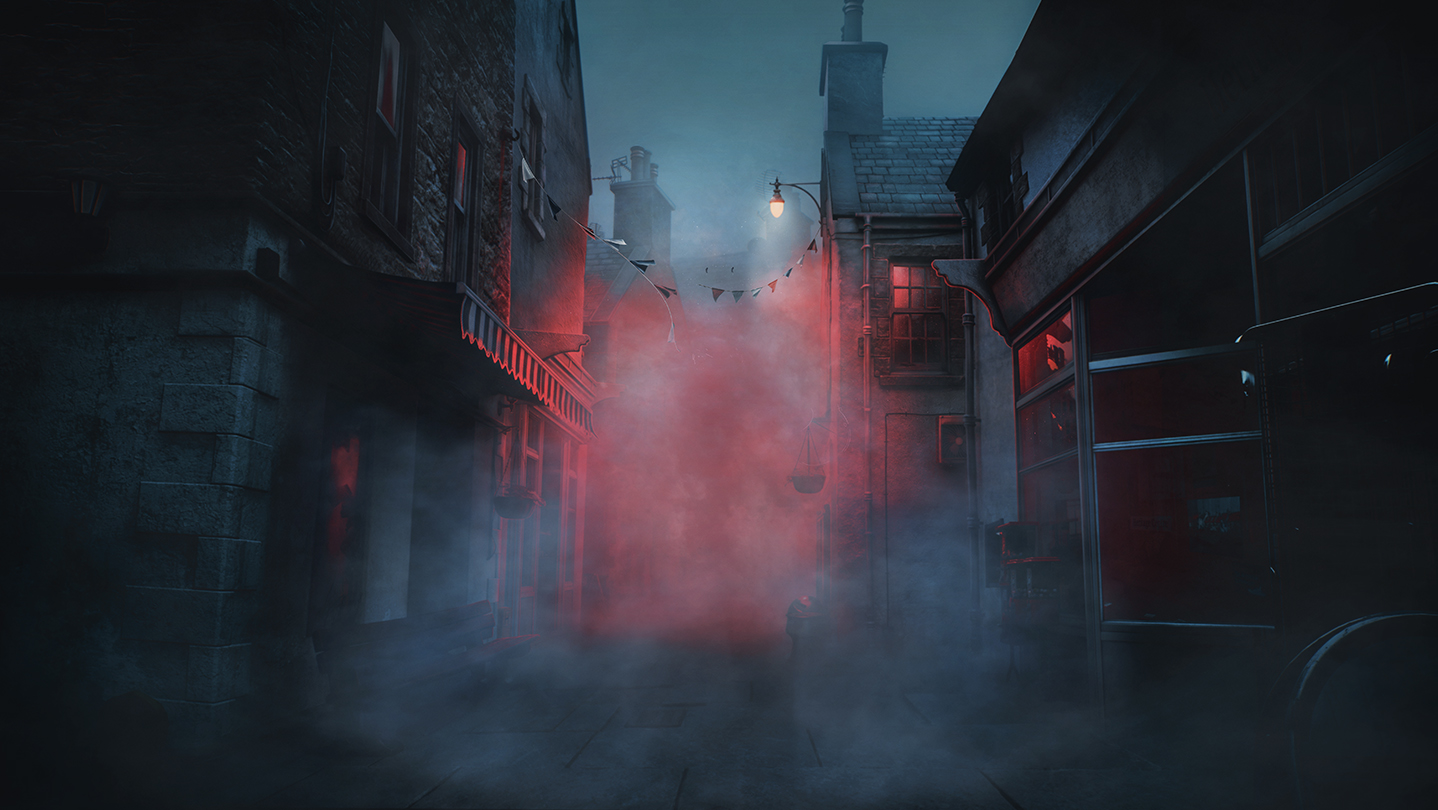
One of the most radical departures for this entry is the shift in geography. While the original games focused on the titular town in Maine, the silent hill: townfall developer has chosen to ground the story in a fictionalized version of a Scottish fishing village named St. Amelia. The game is set in 1996, a period characterized by specific social tensions and a lack of modern digital safety nets.
The choice of Scotland wasn't just for visual variety. The developers have noted that the "grey, damp, and beautiful" atmosphere of their home country perfectly mirrors the oppressive fog of the Silent Hill series. In St. Amelia, players will navigate narrow streets, coastal cliffs, and listed buildings that haven't changed in decades. The developers even went as far as hand-painting and scanning real-world protest signs from the era to ensure the environmental storytelling feels authentic.
Why the 1990s Setting Matters
Element
Impact on Gameplay/Horror
No GPS/Cell Phones
Players must rely on physical maps and landmarks, increasing the sense of isolation.
Analog Technology
Devices are frail and unreliable, creating tension when they fail in critical moments.
Social Climate
The "Thatcher-era" remnants and local protests add a layer of human anger to the supernatural dread.
Visual Texture
The use of CRTs and magnetic tape creates a "lo-fi" aesthetic that hides horrors in the static.
First-Person Perspective and the CRTV Mechanic
For the first time in a major Silent Hill release, the experience is designed entirely from a first-person perspective. The silent hill: townfall developer justified this shift by explaining that it allows for a level of intimacy and claustrophobia that third-person cameras cannot replicate. By removing the distance between the player and the environment, Screen Burn ensures that every cupboard you open and every corner you peek around feels personal.
The centerpiece of the gameplay is the CRTV, a handheld pocket television used by the protagonist, Simon Ordell. This device serves as more than just a map; it is a tool for survival.
How to use the CRTV effectively:
Signal Tuning: Players must manually adjust the dial to find narrative fragments hidden in the airwaves.
Enemy Tracking: The device can pick up unstable signals that indicate the proximity of threats, similar to the classic radio.
Environmental Interaction: Certain puzzles require the player to "look through" the CRTV to see things invisible to the naked eye.
Limited Battery: As with most 90s tech, you cannot rely on it indefinitely, forcing strategic usage.
Mastering the Peek
In the first-person view, use the "Lean" or "Peek" mechanic to look around corners without exposing your full body. This is essential for evading enemies in the tight, claustrophobic corridors of St. Amelia's older buildings.
Narrative Depth: Simon Ordell's Journey
The story follows Simon Ordell, an outsider who is called back to the island of St. Amelia to "put things right." Unlike previous protagonists who might have lived in the town, Simon and the player are discovering the location simultaneously. This "outsider" perspective is a deliberate choice by the silent hill: townfall developer to ensure that the player's sense of wonder and confusion matches the character's.
Simon is joined by a cast of characters that reflect a diverse range of backgrounds, including Zoe (Welsh) and Richard (American-Canadian). The narrative is described as a full-length, self-contained psychological horror story. According to developer interviews, the team is focusing on "internal traumas" and "reminiscing through memories," ensuring that the core identity of Silent Hill remains intact even as the mechanics evolve.
Character Overview
Simon Ordell: The protagonist, an American called to St. Amelia for mysterious reasons.
Zoe: A Welsh character whose role in the town's history remains shrouded in mystery.
Richard: An American-Canadian figure who adds to the outsider dynamic of the group.
The Town (St. Amelia): Treated as a character itself, reacting to the protagonist's presence with fog and shifting architecture.
Development Philosophy: The "Guardrails" of Silent Hill
Working on a franchise with such a dedicated fan base is a daunting task. The silent hill: townfall developer has stated that they internally debated what "Silent Hill" meant to them, receiving dozens of different answers from their team. To stay true to the series while innovating, they established "guardrails."
They measured every feature—whether it was the CRTV mechanic or a specific story beat—against the series' legacy. If a feature felt too "sci-fi" or deviated too far from the psychological core, it was refined. The goal was to create a game that feels like a modern HBO or Netflix drama in terms of production value and thematic relevance, while maintaining the "dream-like" fever state that defined the early Team Silent games.
Screen Burn is utilizing modern engine technology to bring the rain-slicked streets of Scotland to life. The game emphasizes high-fidelity environmental details, where every object in a room is meant to tell a story. The first-person perspective allows for "correct scaling," meaning doorways and rooms don't need to be artificially widened for a camera, leading to a much more dense and realistic world.
Confirmed Platforms and Details
Category
Information
Engine
Proprietary/Modern (Optimized for High Fidelity)
Platforms
PC (Steam, Epic Games Store), PlayStation 5
Release Date
TBA (Coming Soon)
Genre
Psychological Horror / First-Person Adventure
Perspective
100% First-Person
Combat vs. Evasion
While the game includes "frenetic" combat, the developers have warned that evasion is often the smarter choice. Resources are limited, and the 1996-era tools are not designed for heavy warfare. Always look for an exit before engaging.
Comparison: Townfall vs. Previous Screen Burn Games
To understand what the silent hill: townfall developer is bringing to the table, it helps to look at their trajectory. Screen Burn has a history of making the "interface" a part of the horror.
Stories Untold: A four-part anthology where players interacted with text adventures and lab equipment. It taught the team how to build tension through small, localized spaces.
Observation: A sci-fi thriller where the player was the AI of a space station. It refined their ability to tell a story through cameras and environmental data.
Townfall: Combines the localized tension of Stories Untold with the environmental storytelling of Observation, now expanded into a full-scale, free-roaming town.
Evolution of Screen Burn Mechanics
Game
Primary Interface
Player Role
Horror Style
Stories Untold
Retro Computers
User/Observer
Nostalgic/Surreal
Observation
Station Systems
Artificial Intelligence
Cold/Isolationist
SH: Townfall
CRTV / First-Person
Simon Ordell
Psychological/Visceral
FAQ: Everything You Need to Know
Who is the Silent Hill: Townfall developer?
The silent hill: townfall developer is Screen Burn Interactive (formerly known as No Code). They are an independent studio based in Glasgow, Scotland, known for their innovative narrative games like Observation and Stories Untold. They are developing the game in partnership with Annapurna Interactive and Konami.
Is Silent Hill: Townfall a first-person game?
Yes, the developers have confirmed that the game is experienced entirely in the first person. This choice was made to increase the sense of intimacy with the environment and to make the horror feel more personal and claustrophobic.
Where and when does the game take place?
SILENT HILL: Townfall is set in 1996 in a coastal Scottish town called St. Amelia. The developers chose this setting to draw on their own experiences growing up in Scotland and to utilize the natural "fog and rain" aesthetic of the region.
What is the CRTV in Silent Hill: Townfall?
The CRTV is a pocket television that serves as a primary gameplay tool. Players use it to tune into signals, find narrative clues, and track enemies. It is a diegetic tool, meaning it exists physically in the character's hand rather than just being a menu on the screen.